

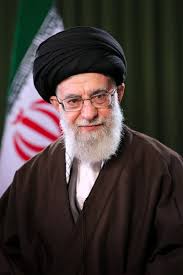
Iran’s clerical establishment has moved swiftly to install a new Supreme Leader following the death of long-time leader Ali Khamenei, with the Assembly of Experts announcing the selection of his son, Mojtaba Khamenei, for the powerful position.
State media reported that the decision was reached on Sunday after a vote by the Assembly of Experts, the constitutional body responsible for choosing the country’s highest political and religious authority. The assembly described the outcome as decisive and urged the public to rally around the new leadership.
In a statement distributed through official media channels, the body called on Iranians to maintain unity during the transition and encouraged prominent figures in academic and religious institutions to support the newly appointed leader.
Ali Khamenei, who had led the Islamic Republic since 1989, was reported killed on February 28 during a military operation carried out by the United States and Israel targeting strategic sites in Tehran. His death triggered widespread speculation about who would succeed him at the helm of the country’s political system.
Mojtaba Khamenei, a cleric who has long operated within Iran’s influential political networks, had frequently been mentioned among possible successors. Though not as publicly visible as many senior clerics, he is widely believed to maintain close relationships with powerful institutions, including the Islamic Revolutionary Guard Corps.
His elevation to the position comes amid debate within segments of Iran’s political and religious elite about the optics of succession within the same family, a development some observers have described as sensitive within the framework of the Islamic Republic’s leadership structure.
The leadership transition also drew attention internationally. Former United States President Donald Trump had earlier criticized the prospect of Mojtaba assuming the role, reportedly dismissing him as unqualified and opposing his involvement in determining Iran’s future leadership.
Under Iran’s constitutional system, the Supreme Leader wields broad authority over key pillars of the state, including national policy direction, the armed forces and the judiciary. The Assembly of Experts retains the exclusive mandate to appoint the leader and oversee the continuity of the office.
Mojtaba Khamenei’s emergence as Supreme Leader signals a pivotal moment for Iran’s political landscape, coming at a time of heightened regional tensions and uncertainty following the death of his father.
